Det finnes utallige nettsider som lærer deg å bygge en nettside. Mange nettsteder gjør det meste av arbeidet for deg. Du kan bruke en standardmal når du lager nettsiden din. Da slipper du å tenke på design, og kommer raskt i gang med selve siden. Denne løsningen passer for deg som har det travelt, eller for deg som bare vil ha en enkel side.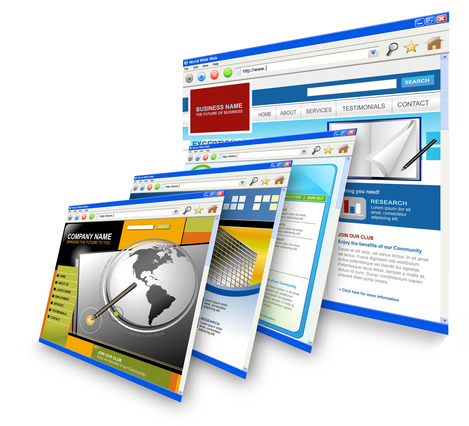 Dersom du vil ha en mer personlig side, bør du lage siden fra starten. Det er ikke så vanskelig som det virker, men det krever litt tid og innsats. Før du starter, bør du lese om nettdesign og oppbygging av sider, og du kan gjerne se instruksjonsvideoer som lærer deg det grunnleggende. Når du har lært det viktigste, er det bare å sette i gang. Selv om en personlig side krever mer tid, får du en side som er bare din.Det viktigste når du lager en nettside er innhold. Det er morsomt å ha kult design og fint utseende på siden, men det hjelper lite å ha en veldesignet side dersom innholdet på siden er kjedelig. Innholdet er alltid viktigere enn design, så tenk først gjennom hva siden skal handle om, og hvordan innholdet skal skrives. Deretter tilpasser du designet til sidens tema.
